The Precision Shift: Why 2026 is the Year of the Curator
As the diecast market matures, collectors are moving away from volume toward curated, high-detail displays. Here is how to refine your collection today.
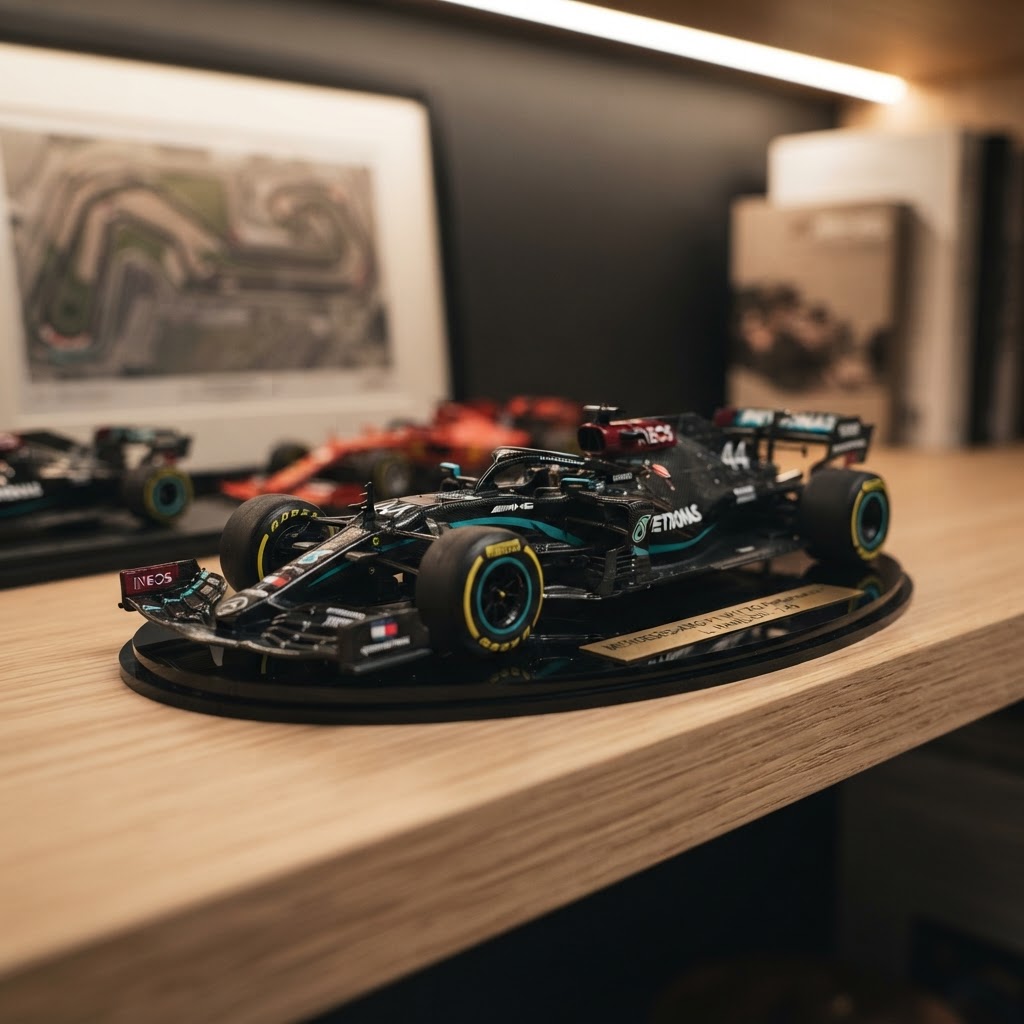
The Evolution of the Modern Collection
If you have spent any time browsing the latest releases this October, you have likely noticed a distinct shift in the hobby. The era of 'collecting everything' is rapidly giving way to a more intentional, curator-led approach. As noted in recent industry analysis, the diecast market is seeing a steady growth rate of 5.10%, but the real story isn't just the numbers—it is the quality of the pieces collectors are prioritizing [5].
Whether you are focused on the high-speed world of Formula 1 or the nostalgic charm of classic muscle, the consensus among serious hobbyists is clear: accuracy and presentation now trump sheer volume [10]. Collectors are no longer just filling shelves; they are building narratives. This shift is particularly evident in how we treat our displays, moving from crowded cabinets to curated 'garages' that tell a specific story [10].
Why Precision Matters More Than Ever
Manufacturers are responding to this demand for detail. From BBR’s latest 1:18 Pagani Utopia releases to the continued dominance of 1:43 scale for F1 enthusiasts, the level of engineering in modern replicas is at an all-time high [1, 8]. For the collector, this means the barrier to entry for a 'show-stopping' collection has lowered, provided you have a clear vision.
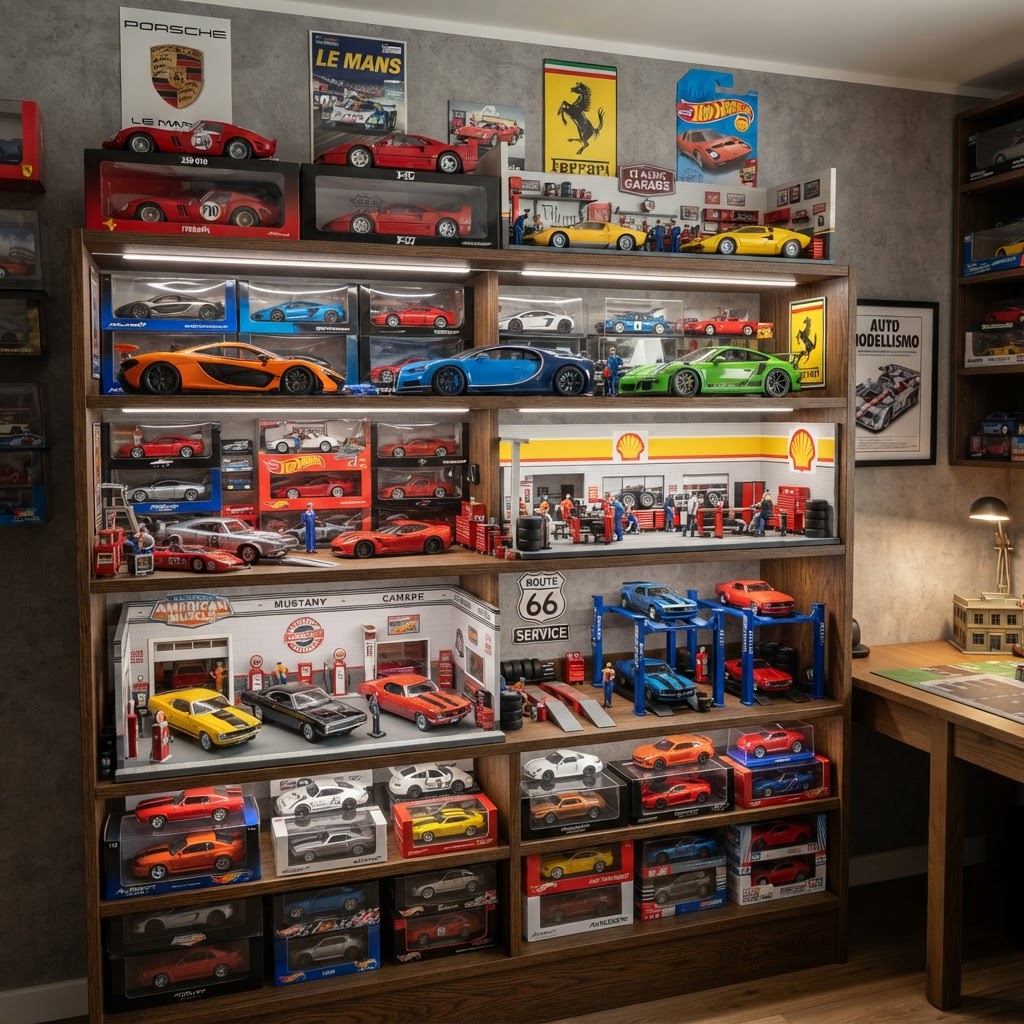
This trend toward curation is perfectly reflected in the collections we see on Collectly. Collectors are increasingly grouping their items by specific themes, eras, or racing series. For instance, the Bburago F1 1/43 collection demonstrates how a focused approach to a single racing discipline creates a cohesive, professional-looking display that highlights the evolution of aerodynamics and liveries over time.
Building Your Own Narrative
If you are looking to refine your own collection, consider these three pillars of modern curation:
- Thematic Focus: Instead of buying every release, pick a niche. Whether it is a specific manufacturer like POP RACE or a specific racing era, a focused collection is always more impactful than a scattered one.
- Display Context: As the industry trends toward 'garage-style' setups, think about how your models interact with their environment. Adding period-correct accessories or even simple, clean lighting can elevate a standard shelf into a gallery-worthy display [10].
- Documentation: A collection is only as good as its history. Keeping track of your acquisitions, their specific variants, and their place in your broader theme is what separates a 'hoard' from a 'collection.'
The Future of the Hobby
We are also seeing a fascinating intersection between mass-market accessibility and premium detail. While budget-friendly options remain a staple for many, the 'premium shift' is undeniable [3, 6]. Collectors are willing to wait longer and pay more for a model that captures the exact spirit of the real-world vehicle. This is a healthy sign for the hobby; it suggests that we are moving toward a future where the value of a collection is measured by the passion and knowledge behind it, rather than just the price tag.
Whether you are cataloguing a massive array of Hot Wheels or a specialized set of F1 racers, the most important step is to document your journey. By cataloguing your items, you not only preserve the history of your collection but also contribute to the broader community of curators who are defining the hobby for 2026 and beyond.
Ready to take control of your collection? Join the community of curators and catalogue your own collection for free at https://collectly.xyz.
